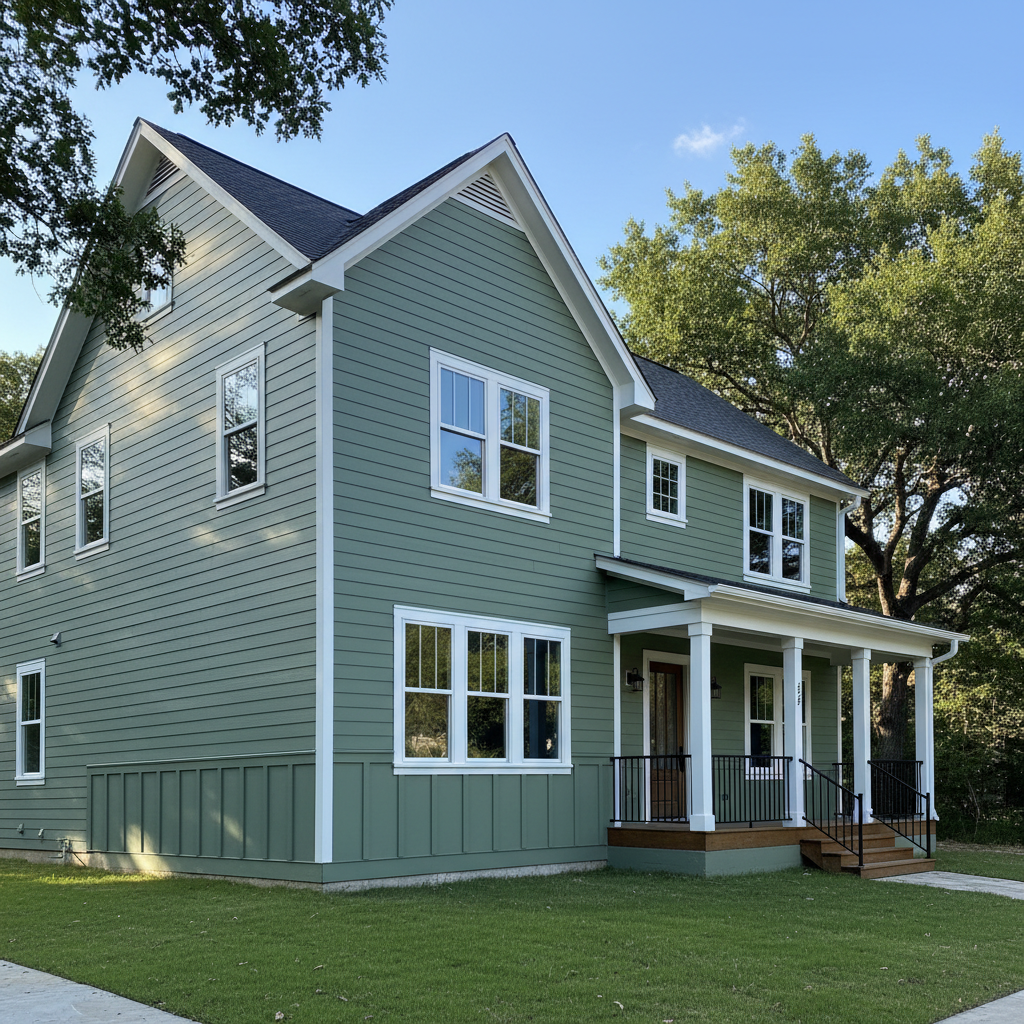
Alright, let's talk about James Hardie siding. It's a fantastic product, super durable, looks great, and honestly, it's a smart pick for many homes here in Austin. But I've noticed too many homeowners stumble during the planning or hiring part of the process, and that usually costs them time, money, or just a whole lot of headaches. You're putting money into your home, so you want it done right, right? Here are the biggest mistakes I see people make, and more importantly, how you can totally avoid them.
Mistake #1: Not Really Getting What the Product Needs
You might think siding is siding, plain and simple. But not with Hardie. This stuff isn't vinyl, and it's definitely not wood. It's a fiber cement product, and it comes with its own specific installation rules. I've seen contractors treat it like vinyl, just slapping it up there, and that's a recipe for disaster. Hardie has really detailed guidelines for everything – from where to put the nails and how far apart they should be, to the flashing details around your windows and doors. If they don't follow these instructions to the letter, you could be looking at warranty problems, water getting in, or panels that just don't sit right.
For example, proper gapping and caulking? Absolutely crucial. Hardie panels expand and contract, especially with our crazy Austin weather swings—one day it's 95, the next it's 40. If there isn't enough room for that movement, or if they use the wrong caulk, you'll see cracking and buckling down the road. A good contractor, like us at Ace Siding Company, knows these details inside and out. We've gone through the Hardie installation training; we know what it takes to make that 30-year limited warranty actually mean something for you.
Mistake #2: Hiring the Cheapest Bid Without Doing Your Homework
This one's a classic, and honestly, it's probably the most common way folks get burned. Everyone wants a good deal, I totally get it. But when it comes to something as important as your home's exterior, the lowest price often brings hidden costs. And those costs usually show up as crummy work, cut corners, or a contractor who just vanishes halfway through the job.
Here's what you really need to look for, beyond just the price tag:
- Proof of Hardie Certification: Just ask for it. Hardie has specific programs for installers. If they aren't certified, they might not know the right techniques.
- References: Don't just take their word for it. Call their past clients. Ask if you can see their work in person, if that's possible.
- Insurance and Licensing: This is non-negotiable. Make sure they carry general liability insurance and workers' compensation. If they don't, and someone gets hurt on your property, or your house gets damaged, you could end up on the hook. In Texas, general contractors typically aren't licensed by the state, but they absolutely need to be properly insured.
- Detailed Contract: A vague contract is a big red flag. It should spell out everything: what work they'll do, the materials, the timeline, how payments will be made, warranty info, and who's responsible for what.
I've seen homeowners in places like Travis Heights or Zilker pay some low-ball contractor, only to have to hire someone else (like us!) to come fix all the mistakes. Essentially, they pay twice. That's a tough lesson to learn, believe me.
Mistake #3: Forgetting About Proper Flashing and Keeping Moisture Out
Austin gets rain, sometimes a lot of it, all at once. And while Hardie is incredibly tough, it's not waterproof on its own. The whole system really depends on good flashing and a solid weather-resistive barrier (WRB) behind the panels to keep water out of your wall cavities. This is where a lot of less experienced or careless contractors tend to cut corners.
They might skip flashing around windows and doors, or use cheap, ineffective materials. Maybe they won't overlap the WRB correctly, or they'll punch too many holes in it during installation. Water getting in is a silent killer for homes. It leads to rot, mold, and structural damage that can be incredibly expensive to fix later on. You won't see it right away, but it'll show up as soft spots, musty smells, or even worse, structural problems.
When you're getting bids, ask them about their approach to flashing. Ask what kind of WRB they use. A good contractor will be happy to explain their process and show you how they make sure your home stays dry.
Mistake #4: Not Planning for Paint or Color the Right Way
James Hardie offers pre-finished siding with their ColorPlus Technology, which is fantastic. The finish is baked on, super durable, and comes with a great warranty. But sometimes, homeowners choose primed siding that gets painted right there on site. If you go this route, you need to be just as careful about the painting as you are about the installation.
The wrong type of paint, not preparing the surface properly, or painting in bad weather (like our humid Austin mornings or scorching afternoons) can lead to peeling, blistering, and a finish that just doesn't last. You'll be repainting way sooner than you should. Make sure your contractor uses high-quality acrylic latex paint specifically recommended for fiber cement and understands the proper application techniques and weather conditions for painting.
Mistake #5: Ignoring Lead Paint or Asbestos on Older Homes
If you live in an older Austin home, let's say it was built before 1978, there's a good chance your existing siding or paint has lead or even asbestos. This isn't something to mess around with, seriously. Disturbing these materials without proper containment and disposal can create serious health hazards for your family and your neighbors. Plus, it's illegal to do so without following EPA guidelines.
A reputable contractor will ask about your home's age and talk about testing for these materials if needed. They'll have the certifications and procedures in place to handle abatement safely and legally. Don't let a contractor tell you it's no big deal or try to cut corners here. It's a major safety and legal issue, plain and simple.
Doing your homework upfront, asking the right questions, and not just picking the lowest price will save you a world of trouble. You want your Hardie siding to look great and protect your home for decades, not just a few years. It's a big investment, so make sure you're making it wisely.